
Table of Contents
ToggleYou’ve slept well, had your coffee and still feel flat by mid-morning. Many people put that down to a busy life, but low iron can be part of the picture. Iron deficiency symptoms are easy to miss because they build slowly and look like everyday tiredness.
This guide explains what to look for and why iron can run low. It also covers how a GP checks your iron levels and what treatment can involve.
What Is Iron Deficiency?
Iron is a mineral your body can’t make, so it has to come from food. Your body uses it to build haemoglobin, the part of your red blood cells that carries oxygen. When iron stays low for long enough, your blood can struggle to deliver the oxygen your cells need. That may leave you tired, breathless or dizzy.
The Better Health Channel describes low iron as a gradual slide through three stages:
- Iron depletion: your haemoglobin is normal, but your stored iron is small and will soon run out. This stage usually has no obvious symptoms.
- Iron deficiency: your stored and blood-borne iron are low. You may notice some symptoms, including tiredness.
- Iron deficiency anaemia: your haemoglobin is so low that your blood can’t deliver enough oxygen to your cells. Pale skin, breathlessness, dizziness and fatigue are more likely now.
Iron deficiency anaemia is thought to affect up to 5% of Australians, so you’re not alone.
Common Iron Deficiency Symptoms
Low iron symptoms differ from person to person. Some people notice nothing at all. Healthdirect lists these common signs of iron deficiency:
- Feeling tired, listless and weak
- Shortness of breath, dizziness and light-headedness
- Trouble concentrating and remembering things
- Pale skin
- Irritability
If low iron has led to anaemia, you may notice other signs. Healthdirect lists a fast heartbeat or heart palpitations, headaches, and cold hands and feet.
Iron levels can be low while your haemoglobin is still normal. This means symptoms can appear before anaemia does. Many of these signs also have other causes, and the right treatment depends on the cause. That’s why a blood test is more reliable than guesswork.
What Causes Iron Deficiency, and Who Is Most at Risk?
Healthdirect describes four main causes of low iron. Knowing which one applies to you helps your doctor choose the right treatment.
- Not eating enough iron-rich foods: vegetarian and vegan diets may be lower in iron than diets that include animal products.
- Needing more iron: children, teenagers, people who have periods, and pregnant or breastfeeding people need extra iron.
- Trouble absorbing iron: coeliac disease, inflammatory bowel disease and stomach surgery, such as bariatric surgery, can affect absorption.
- Losing blood: heavy periods are a common cause, and so is bleeding in the stomach or bowel. Giving blood too often can contribute as well.
Hard training can raise your need for iron, too. Athletes in regular training may be more likely to run low. If your periods are heavy, Healthdirect says better menstrual control may help prevent iron deficiency. That’s worth raising with a doctor.
You can read about women’s health care at High Street Medical Clinic to know how you and your doctor may address concerns.
How Is Iron Deficiency Diagnosed?
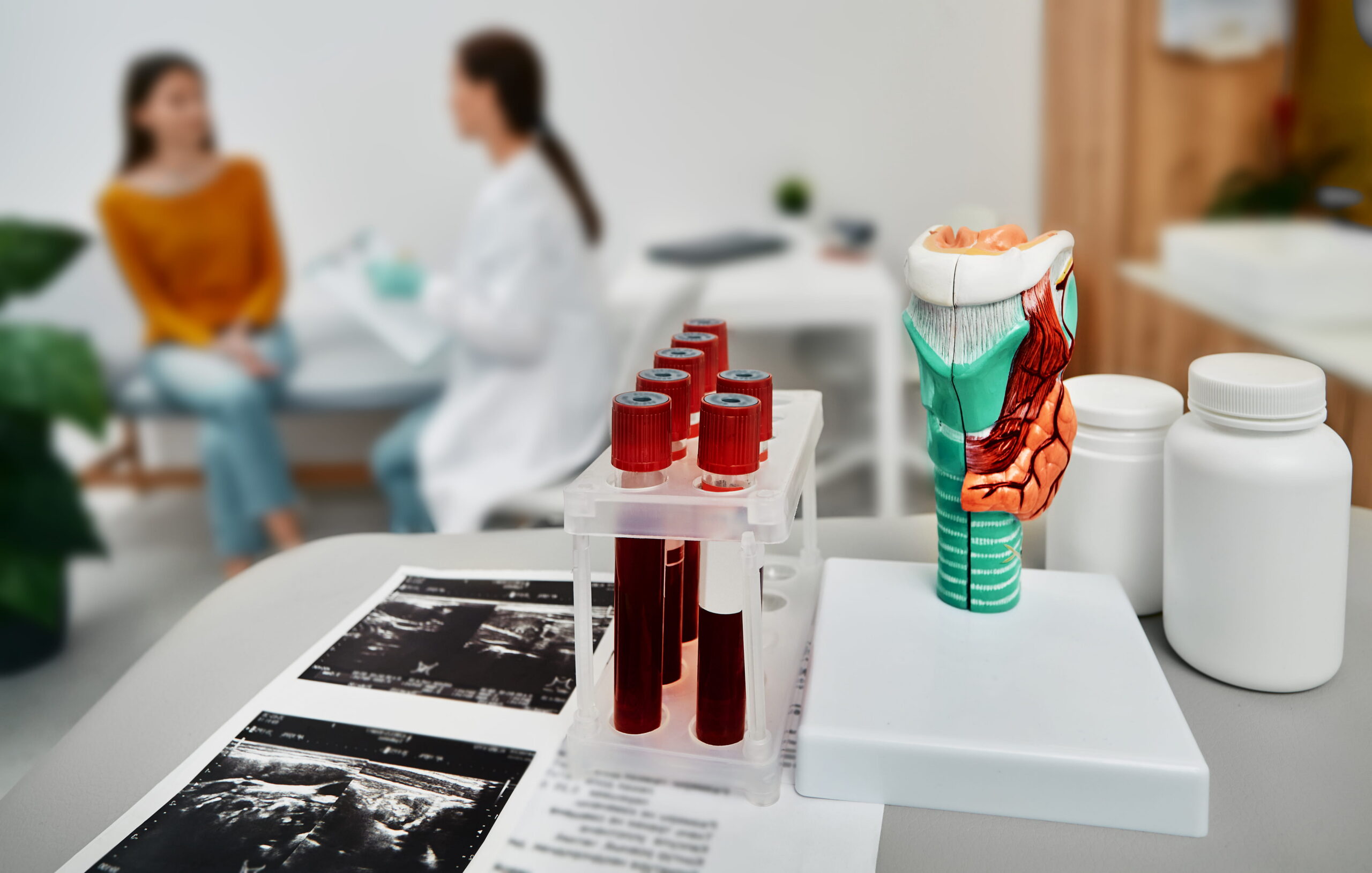
A GP will ask about your health and what you eat, and they may examine you. Healthdirect says an iron studies blood test is the only reliable way to tell if you’re iron deficient. It looks at your iron levels. A full blood count can show whether you have anaemia.
Australian Prescriber adds that a low ferritin level is the most reliable early marker of iron deficiency without anaemia. Ferritin is a blood marker that reflects your iron stores. If you need a blood test, Dorevitch, a separate provider, has a collection centre on site at our Prahran clinic.
Finding the cause is a key part of the process. Your doctor may order more tests to look for blood loss. Some people see a gastroenterologist, a doctor for digestive conditions. Others see a gynaecologist, a doctor for the female reproductive system.
It can be tempting to buy iron tablets straight away. Healthdirect and the Better Health Channel both advise seeing a doctor first. Too much iron can be toxic. Iron supplements also won’t help if low iron isn’t the problem.
What to Note Before Your Appointment
A little preparation helps your doctor see the full picture. Before you go, it can help to write down:
- When your symptoms started and how they affect your day
- What you usually eat, including whether you follow a vegetarian or vegan diet
- Whether your periods are heavy, if this applies to you
- Any medicines you take, including aspirin, anti-inflammatory medicines and supplements
- Whether you’re pregnant, breastfeeding or planning a pregnancy
If you’ve had iron tests before, bring the results along. Your doctor will explain what your results mean and what to do next.
Iron Deficiency Treatment: What Are the Options?
Healthdirect says the right treatment depends on what’s causing your low iron. That means your plan will be personal to you, and your doctor may suggest one option or a mix.
Iron-Rich Foods
Food is the starting point for many people. Haem iron is found in meat, poultry and fish, and it’s the form your body absorbs most easily. Non-haem iron comes from plant foods such as legumes, wholegrains and leafy greens.
Vitamin C from fruit and vegetables may help you absorb plant-based iron. Cooking vegetables can help too. The Better Health Channel notes that the body absorbs about 6% of the iron in raw broccoli. For cooked broccoli, it’s about 30%. Tea, coffee and wine can reduce how much iron you absorb when you have them with a meal.
Australian Prescriber adds that food changes alone may not be enough to correct low iron. That’s why your doctor may also suggest supplements.
Iron Tablets or Liquid
If your blood test shows low iron, your doctor may suggest iron tablets or liquid. Healthdirect says you may need to take them for several months, and possibly longer. Your doctor may repeat blood tests to check how your iron levels are responding.
Common side effects include constipation and dark bowel movements. Let your doctor know if they bother you. Take iron exactly as advised because the right type and amount differ from person to person.
Iron Infusions
Iron tablets or liquid are usually tried first. An iron infusion gives iron through a vein. Healthdirect says your doctor may recommend one if you can’t take tablets or aren’t absorbing them well. It may also come up if you need iron quickly. Some people with chronic kidney disease or heart failure are offered one too.
Like any medicine, an infusion can cause side effects such as headache, dizziness or nausea. Your doctor will explain the benefits and risks so you can decide together. Neither option suits everyone. The right choice depends on your blood tests and your health.
Treating the Cause
Replacing iron is only part of the picture. Heavy periods or a bowel condition may be behind your low iron. If so, your doctor will look into that cause too.
When to See a GP About Low Iron
Book a visit if you feel tired for no clear reason or look paler than usual. The same goes if everyday tasks leave you breathless. Healthdirect advises seeing a doctor if you think your iron might be low, because it’s important to find out why. Heavy periods and pregnancy are good reasons to raise your iron levels, too.
The independent doctors at High Street Medical Clinic can talk through your symptoms. They can also arrange an iron studies blood test if it’s right for you.
In the case of an emergency, always call 000. Healthdirect says to call 000 if you have heart palpitations along with chest pain, shortness of breath, dizziness or fainting. When we’re closed, Doctor Doctor, a separate provider, offers non-emergency after-hours care at home on 13 26 60.
Where to Start With Iron Deficiency Symptoms
If you’ve noticed some of these iron deficiency symptoms, a blood test can show whether low iron is behind them. A GP can also help you look for the cause. Treatment may include food changes, supplements or, for some people, an infusion.
You can learn about iron infusions at High Street Medical Clinic, or talk with one of our doctors first. When you’re ready, you can book online or call (03) 9510 5500.
Frequently Asked Questions
What Are the First Signs of Iron Deficiency?
Often there aren’t any. The Better Health Channel says the earliest stage, iron depletion, usually has no obvious symptoms. As your iron stores fall, tiredness is a common early sign. Healthdirect notes you may simply feel run down. Because these signs are easy to dismiss, a blood test is the reliable way to check.
Can You Have Low Iron Without Anaemia?
Yes. Australian Prescriber says iron deficiency without anaemia is common. It has been linked to weakness, trouble concentrating, irritability and restless legs. These symptoms are non-specific, so they may not be recognised as low iron at first. Mention them to your doctor even if an earlier blood count looked normal.
How Long Does Iron Deficiency Treatment Take?
It depends on the cause and the treatment. Healthdirect says iron supplements are usually taken for several months, and sometimes longer. The Better Health Channel says restocking iron stores can take 6 months to a year when anaemia is present. Your doctor will repeat blood tests along the way to check how your iron levels are responding.
Can You Get Enough Iron on a Vegetarian or Vegan Diet?
Many people can, with planning. The Better Health Channel says vegetarians may need almost twice as much dietary iron as people who eat meat. Good plant sources include legumes, whole grains, nuts, seeds and iron-fortified cereals, and vitamin C may help you absorb them. If you’re worried about your intake, ask your GP or a dietitian for advice.
Does Iron Deficiency Matter During Pregnancy?
Yes. Healthdirect says pregnant people need more iron each day, and iron deficiency can lead to pregnancy complications. The Better Health Channel notes that tests to check for anaemia should be done during pregnancy. If you’re pregnant or planning a pregnancy, talk with your doctor about your iron levels before you take any supplements.