
Early Stage Skin Cancer — Signs, Types and When to See a GP
Noticing a new spot on your skin, or a mole that looks a little different, can be unsettling. Not every mark is cancer, but it helps to know what early-stage skin cancer can look like. Cancer Council says two in three Australians will be diagnosed with skin cancer in their lifetime, which is why early
Iron Deficiency Symptoms & Treatment
You’ve slept well, had your coffee and still feel flat by mid-morning. Many people put that down to a busy life, but low iron can be part of the picture. Iron deficiency symptoms are easy to miss because they build slowly and look like everyday tiredness. This guide explains what to look for and why
What Does Basal Cell Carcinoma Look Like? Signs to Show Your GP
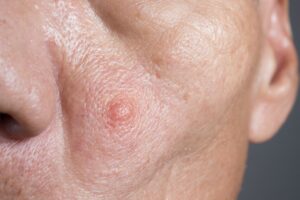
A pink spot on your nose that keeps scabbing over is easy to blame on a pimple. Because it isn’t sore, many of us simply leave it alone. But a spot that won’t settle deserves a closer look. Many skin spots are harmless, but only a doctor can tell which ones. So, what does basal

Sunspot Removal: Options and What to Expect at a GP Clinic
Have you noticed a rough, scaly patch on your face or hands that won’t go away? It may be a sunspot, which is a sign of sun damage building up over the years. Sunspot removal is something a GP can talk through with you, and the right option depends on the spot itself. This guide

Spring Hay Fever in Melbourne: When to See Your GP
It’s a windy October morning, and within minutes your eyes are itchy and your nose won’t stop running. If that sounds familiar, you’re far from alone. Hay fever in Melbourne often flares in spring, when grass pollen fills the air. For some people it’s a passing nuisance, but for others it disrupts sleep, work, and

Is This Perimenopause? Symptoms and What a GP Can Do
Perimenopause in 30 Seconds Perimenopause is the transition leading up to menopause. It commonly begins in the 40s, but it can start earlier, and symptoms can appear while you’re still having periods. It can last several years Symptoms can change over time Menopause is reached after 12 months without a period In This Article Perimenopause

Heading Overseas? Get Your Travel Health Sorted Before You Go
What is travel health? Travel health is preparation specific to you and your trip. Your destination, activities and health can affect the vaccinations, medications and precautions you need, including any local requirements. You can plan the flights, book somewhere brilliant to stay and still have rain follow you to Himeji Castle. ravelling will always be

Ear Wax Buildup Doesn’t Always Feel Like a Blocked Ear
Ear wax is completely normal and plays an important role in protecting your ears, but when too much builds up, the signs aren’t always as obvious as people expect. Hearing may gradually become less clear, while excess wax can also cause a feeling of fullness, ringing in the ears (tinnitus), mild dizziness, or make one

Question for Men: How Old Is Your Body, Really?
Two men can both be 42, but their bodies may be travelling at very different speeds. In support of Men’s Health Week, we’re listing five checks men can do at home in a few minutes. They do not diagnose disease, but they can show whether your body is giving you green lights, amber lights, or

Live Longer, Better
An Introduction to Longevity Medicine at Duro Health What if the most important health decisions you ever make happen long before you feel sick? Longevity medicine focuses on identifying health risks early, often years before symptoms appear. At Duro Health in Prahran, Melbourne, this approach combines advanced testing, preventive healthcare, and personalised health planning to

Is it time to check your immunisation status?
It is easy to think of vaccines as something mostly linked to childhood, or perhaps the flu shot that comes around each year. In reality, immunisation remains relevant throughout adult life, and what is recommended can change over time. Keeping track of your immunisation status is not always straightforward. You may have had vaccines at
Kidney Disease Often Has No Symptoms. That Is the Problem
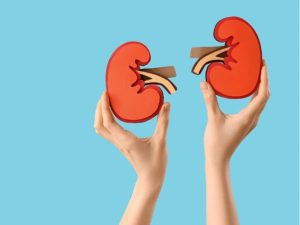
Chronic Condition ManagementKidney disease can develop slowly over years, then suddenly catch people by surprise. Your kidneys filter blood continuously and have a large reserve capacity, which means they can lose a significant amount of function before the body signals that something is wrong. Many people therefore feel completely well while gradual changes in kidney