
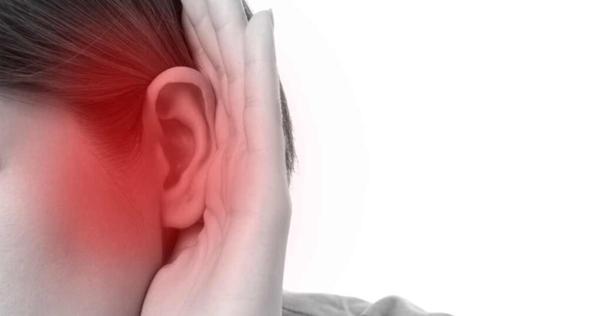
Ear wax is completely normal and plays an important role in protecting your ears, but when too much builds up, the signs aren’t always as obvious as people expect.
Hearing may gradually become less clear, while excess wax can also cause a feeling of fullness, ringing in the ears (tinnitus), mild dizziness, or make one ear seem different from the other.
In This Article
- A quick self-check
- Less obvious signs of ear wax buildup
- Why ear wax builds up
- Ear syringing vs ear microsuction
Could Ear Wax Be Causing You Symptoms?
Before reading on, take our quick self-check below to see whether ear wax buildup could be contributing to what you’ve been noticing.
Ear Wax & Hearing Check
Select all statements that apply to you.
Your answers don't strongly suggest ear wax buildup is contributing to your symptoms. Ongoing ear discomfort, pain, discharge, or changes in hearing should still be assessed, as blocked ears can have several causes.
Ear Wax Buildup Doesn’t Always Feel the Way You’d Expect
A blocked ear is one of the most common symptoms of excess ear wax, but it isn’t the only one. Depending on where the wax sits in the ear canal and how gradually it builds up, people can notice a range of changes, including:
- Conversations becoming harder to follow in busy cafés or restaurants.
- A feeling of fullness or pressure in one ear.
- Ringing in the ear (tinnitus).
- Earphones or hearing aids not seeming to work as well as they normally do.
- Mild dizziness or a feeling that one ear is “different” from the other.
None of these automatically mean ear wax is the cause, which is why it’s important not to jump to conclusions.
A doctor can help determine whether wax is responsible or whether something else needs investigating.
Why Does Ear Wax Build Up?
Ear wax usually works its way out of the ear naturally through everyday jaw movement, including talking and chewing.
Problems can develop when that process is interrupted. Cotton buds often push wax deeper into the ear canal, while hearing aids, earplugs, earbuds, or naturally narrow ear canals can make wax more likely to build up over time.
Ear Syringing or Ear Microsuction?
Traditional ear syringing uses water to flush wax from the ear canal. Ear microsuction removes wax using gentle medical suction while the doctor looks directly into the ear with magnification, allowing the wax to be removed with greater precision.
Microsuction is widely considered the safest and most comfortable method of ear wax removal.
If ear wax is confirmed as the cause of your symptoms, your doctor can explain the available treatment options and whether ear microsuction is appropriate for your situation.
You can also learn more about Ear Microsuction at High Street Medical

A Common Myth
Ear candling is often promoted as a way to remove ear wax, but there is no good evidence that it safely removes wax, and it may even cause burns or injury to the ear.
Healthdirect Australia provides more information about ear wax, safe ear care, and when to seek medical advice.
If you’ve never seen ear microsuction before, this short animation provides a simple overview of how the procedure works.
What Did Your Results Tell You?
If your quiz score suggested ear wax buildup could be contributing to your symptoms, the next step is finding out whether wax is actually the cause.
The independent doctors at High Street Medical Clinic can assess your ear health and determine whether ear wax is causing your symptoms. If ear microsuction is appropriate, your doctor will explain the next steps, and arrange an appointment with one of the doctors who provides the procedure.
Learn more about Ear Microsuction at High Street Medical Clinic