
Table of Contents
ToggleHave you noticed a rough, scaly patch on your face or hands that won’t go away? It may be a sunspot, which is a sign of sun damage building up over the years. Sunspot removal is something a GP can talk through with you, and the right option depends on the spot itself.
This guide covers what sunspots are, the main treatment options, and what to expect at a GP clinic.
What Are Sunspots and Why Do They Matter?
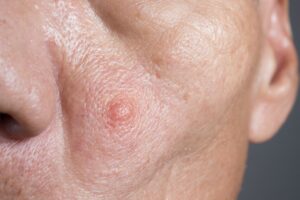
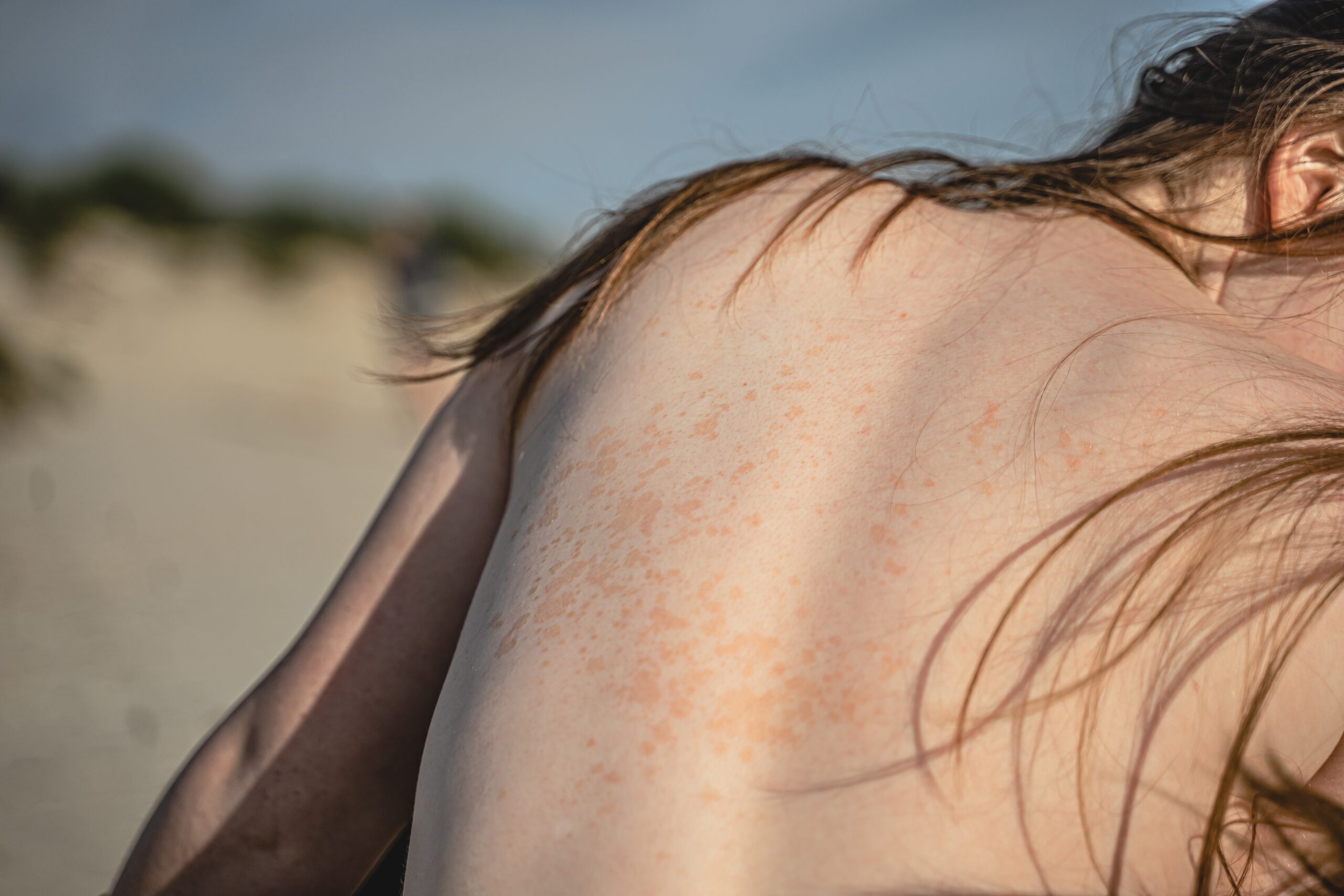
In Australia, a sunspot is usually a solar keratosis, also called an actinic keratosis. Cancer Council describes sunspots as red, flat, scaly, dry skin, usually on the hands or face. You can also find sunspots on the face, scalp, and arms, where skin has had years of sun. They show that your skin has had a lot of sun damage. That damage adds up over time and can’t be reversed.
A sunspot isn’t a skin cancer, but it can sometimes change into one. That’s why Cancer Council Victoria says some sunspots may need treatment if they cause symptoms. Treatment may also be aimed at stopping them from becoming cancers. Other spots, such as age spots, can look similar, so it helps to have a doctor check what you have.
Sunspot Treatment Options a GP May Discuss
Sunspot treatment depends on the size and location of the spot, your general health, and any medicines you take. A GP may suggest one or more of these options, which may also depend on your assessment:
- Cryotherapy: a GP or dermatologist sprays liquid nitrogen onto the sunspot to freeze it
- Prescription creams or gels: these are prescribed by a doctor and used only on the areas they name
- Photodynamic therapy: a special cream is applied to the skin, then activated with light
If a spot looks unusual, your doctor may suggest a small skin sample or a biopsy. No single option suits everyone, so your doctor will explain the benefits and risks of each one before you decide.
What to Expect at a Sunspot Removal Appointment
A visit usually starts with a chat about your skin and any concerns. A careful check of your skin follows.
At High Street Medical Clinic, a skin check includes a consultation, an examination, and a talk about your findings. Advice on next steps and follow-up comes after that.
If freezing is chosen, you may feel a burning or stinging sensation for a few minutes. The treated area is then sore and red, and a blister may form. A crust forms a few days later. The dead tissue then falls off over one to six weeks, depending on the area. A scar may develop, and the healed skin can look paler than the skin around it.
Creams work differently. Treated skin may become red, sore, or tender, and it can peel before it improves. Some creams also make your skin more sensitive to UV. Your doctor may ask you to stay out of the sun while you use them.
Photodynamic therapy is also a different approach. The doctor applies a cream, and light is used to activate it later. Redness and swelling usually ease after a few days, and the area can sting or feel tender in the meantime.
Costs differ between options, and Cancer Council notes that photodynamic therapy may have a high cost.
Fees may apply. See our fees page, and ask about costs when you book. Whichever option you choose, your doctor will explain the risks, side effects, and aftercare first.
Looking After Your Skin After Treatment
Treating a sunspot doesn’t undo past sun damage, so everyday sun protection still matters. UV radiation can harm unprotected skin for most of the year in Australia. It can stay high on cloudy days, too. You can check your local UV level on the SunSmart Global UV app.
Regular skin checks help too, because changes are easier to act on when you notice them early. Cancer Council says there’s no set guideline for how often to check, so ask your doctor what suits you.
When to See Your GP About a Sunspot
Cancer Council suggests booking a visit if you notice something new or you’re worried about a spot. It’s worth seeing your GP if:
- A rough, scaly patch doesn’t go away
- A spot looks or feels different from your other spots
- A spot has changed in size, shape, colour, or texture
- A spot is tender, itchy, or bleeds
- A sore hasn’t healed within a few weeks
- You’ve had skin cancer before or have a weakened immune system
Cancer Council lists signs of squamous cell carcinoma, a common skin cancer. They include a thickened red scaly spot, a rapidly growing lump, and a sore that hasn’t healed. Changes like these are worth having checked soon.
In an emergency, call 000. After hours, Doctor Doctor, a separate provider, offers non-emergency care at home on 13 26 60.
Reminder: This article is general information, and it can’t replace advice from your doctor.
Start With a Skin Check, Then Decide What Suits You
Sunspots are a sign of sun damage over time. Sunspot removal is only one part of caring for your skin, which makes a skin check essential. A doctor can check what’s on your skin, explain your options, and help you plan what comes next.
If you’d like a closer look at a spot, start with a skin check at High Street Medical Clinic. Our independent doctors at our Prahran clinic can talk through your skin and your options with you.
When you’re ready, you can book online or call (03) 9510 5500.
Frequently Asked Questions
No. A sunspot isn’t skin cancer, but it can sometimes change into one. Cancer Council Victoria says some sunspots are treated if they cause symptoms, or to stop them becoming cancers. A doctor can tell a sunspot from other skin changes, so it’s worth getting any new or changing spot checked.
Yes, GPs can treat sunspots. Cancer Council says a GP or dermatologist can freeze a sunspot, and a doctor can prescribe creams. The options on offer vary between clinics, so ask when you book.
Your doctor may refer you to a dermatologist if your situation needs it.
It can cause some discomfort. Freezing may cause a burning or stinging feeling for a few minutes. The area can be sore and red afterwards. Creams can leave skin red, sore, or peeling for a time.
Your doctor will explain what to expect and how to look after the area.
Treating a sunspot doesn’t undo past sun damage. Cancer Council notes that sun damage adds up over time and can’t be reversed, so new sunspots may form. Some treatments may also be repeated.
Regular skin checks and sun protection matter, and your doctor can advise how often to book a check.
Fees vary with the treatment you and your doctor choose, and some options may cost more than others. Cancer Council notes photodynamic therapy may have a high cost.
When you partner with High Street Medical Clinic, you can call and ask the clinic about costs when you book.