

Chronic Condition ManagementKidney disease can develop slowly over years, then suddenly catch people by surprise.
Your kidneys filter blood continuously and have a large reserve capacity, which means they can lose a significant amount of function before the body signals that something is wrong.
Many people therefore feel completely well while gradual changes in kidney performance are already underway.
What often surprises patients is that the earliest clues can appear in routine blood or urine tests long before symptoms appear.
In this article
- Why kidney disease can go unnoticed
- How the kidneys influence other systems in the body
- Symptoms that may signal kidney problems
- What doctors look for in kidney testing
- Things many people do not realise about kidney health
A quick note about World Kidney Day
World Kidney Day is held each year to raise awareness about kidney disease and the importance of early testing.
One of the simplest ways to learn more about your own risk is by taking a short online quiz here.
It only takes a few minutes and may highlight risk factors you had not considered.
Why the kidneys influence so many parts of the body
The kidneys filter waste from the blood, balance fluids, regulate important minerals, and release hormones that help control blood pressure and red blood cell production.
Because they interact closely with the circulatory system, kidney health and cardiovascular health are closely connected.
When kidney function begins to decline, blood pressure can become harder to control and the risk of heart disease rises. For this reason kidney markers are often reviewed when doctors analyse routine blood tests.
Symptoms that can point to kidney problems
Kidney disease may remain silent for years, but certain physical changes can appear as kidney function declines.
Swelling in the ankles, feet or hands
When the kidneys struggle to remove excess fluid and sodium, fluid can accumulate in body tissues.
Changes in urination patterns
Damage to kidney filters can affect how urine is produced, sometimes causing increased frequency, foamy urine, or darker colour.
Persistent fatigue
Kidneys help regulate hormones involved in red blood cell production. Reduced function can contribute to lower oxygen delivery in the body.
Trouble concentrating
If waste products remain in the bloodstream longer than they should, mental clarity can be affected.
Shortness of breath
Fluid retention can place pressure on the lungs and circulatory system.
Nausea or reduced appetite
A build up of metabolic waste in the bloodstream can affect digestion.
Ongoing high blood pressure
Kidney damage can disrupt the systems that regulate blood pressure, causing levels to rise.
Seven things to know about kidney health
- Kidneys can lose a large amount of function before symptoms appear: Early kidney disease often produces no warning signs.
- High blood pressure and kidney damage reinforce each other: Elevated blood pressure damages the tiny blood vessels that allow kidneys to filter blood.
- Kidney disease raises the risk of heart disease and stroke: The circulatory system and kidneys rely on each other to regulate blood pressure and fluid balance.
- Some common pain medications can strain the kidneys: Regular use of anti-inflammatory medicines such as ibuprofen or diclofenac can reduce blood flow to the kidneys, especially when taken frequently or while dehydrated.
- Blood and urine tests often reveal the earliest clues: Kidney markers can change years before symptoms develop.
- Kidneys regulate hormones and mineral balance: They influence blood pressure control, red blood cell production, and electrolyte stability.
- Conditions such as diabetes gradually damage kidney filters: High blood sugar can injure the delicate filtering structures inside the kidneys over time.

To summarise
Kidney disease often progresses in the background over years, which is why routine blood tests sometimes reveal the first signs of change.
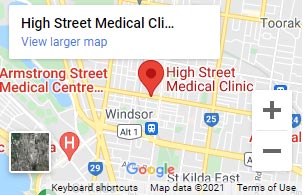
Taking the kidney health quiz above is a useful starting point. If you would like to review your results or discuss kidney testing, you can book a consultation with a GP at High Street Medical Clinic in Prahran.