Non-Hormonal, Long-Term Contraception

What Is a Copper IUD?
The copper intrauterine device (IUD) is a long-acting, non-hormonal contraceptive that provides pregnancy prevention for 5 to 10 years, depending on the device used.
Unlike hormonal IUDs, the copper IUD does not contain hormones. Instead, it prevents pregnancy by affecting sperm movement and viability.
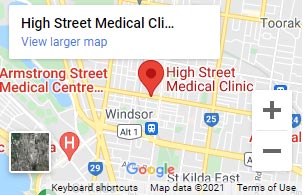
At High Street Medical Clinic (HSMC), Dr. Spottiswood is an accredited medical practitioner who provides copper IUD insertion and removal services in accordance with Australian clinical guidelines. If you are interested in non-hormonal contraceptive options, a consultation with Dr. Spottiswood can help to assess whether the copper IUD is suitable for you.
How Does a Copper IUD Work?
The copper IUD is a small, T-shaped device wrapped in copper that is inserted into the uterus. It works by:
- Releasing copper ions, which are toxic to sperm and eggs, preventing fertilisation
- Altering sperm movement, making it difficult for sperm to reach an egg
- Changing the uterine lining, reducing the likelihood of implantation
Unlike hormonal contraceptives, the copper IUD does not contain synthetic hormones or alter ovulation. The copper IUD may also be used as emergency contraception if inserted within 5 days of unprotected intercourse.
Benefits & Considerations of a Copper IUD
Potential Benefits:
- Highly effective – Over 99.5% effective at preventing pregnancy.
- Long-lasting contraception – Works for 5–10 years, depending on the device.
- Hormone-free – Ideal for individuals sensitive to hormonal contraception.
- Immediate effectiveness – Unlike hormonal IUDs, the copper IUD is effective immediately upon insertion.
- Reversible – Fertility typically returns soon after removal
Considerations & Possible Risks:
- Menstrual changes – Periods may become heavier, longer, or more painful, particularly in the first few months.
- Cramping or discomfort – Mild to moderate cramping may occur, especially during the initial adjustment period.
- Risk of expulsion – In about 2-5% of cases, the IUD may shift or be expelled.
- Rare perforation risk – In fewer than 2 in 1,000 cases, the IUD may perforate the uterine wall.
A doctor’s consultation can help determine whether a copper IUD is a suitable contraceptive choice for you based on your medical history.
For more information about Non-hormonal Copper IUDs visit Sexual Health Victoria.
Copper IUD Insertion & Removal
Insertion Procedure:
- Consultation – Discuss your contraception options and medical history.
- Preparation – Pain relief options (such as ibuprofen) may be recommended.
- Insertion – The doctor places the copper IUD inside the uterus using a thin applicator. The process typically takes 5–10 minutes.
- Post-insertion care – Some mild to moderate cramping is common in the first few days and can persist for up to a few weeks as the body adjusts. Spotting and heavier periods may occur, particularly in the first 3 months.
- Follow-up check – A review appointment may be recommended 4–6 weeks after insertion.
Does the Procedure Hurt?
Discomfort levels vary. Some individuals experience mild cramping, while others may feel stronger discomfort. Pain relief options can be discussed before the procedure.
Removal Process
- The doctor gently removes the IUD by pulling the retrieval strings.
- Fertility typically returns quickly after removal.
- Mild cramping during removal is common, but typically brief
- Some individuals report temporary spotting or mild discomfort post-removal, but most return to their normal menstrual cycle quickly.
A doctor can discuss alternative contraception options if you plan to remove your copper IUD.
Copper IUD Accredited Doctor

FAQs
The lifespan of a copper IUD varies depending on the specific device. Some are approved for up to 5 years, while others last up to 10 years.
Yes, the copper IUD begins working as soon as it is inserted, making it one of the most reliable emergency contraception options if placed within 5 days of unprotected sex.
Some individuals experience heavier, longer periods with increased cramping, especially in the first 3–6 months. This usually improves over time.
Yes, a copper IUD can be removed at any time by a trained healthcare provider. Fertility typically returns quickly after removal.
Pain tolerance varies. Some individuals experience mild cramping, while others may find the procedure more uncomfortable. Pain relief options can be discussed beforehand.
The copper IUD is generally safe, but potential risks include heavier periods, expulsion (2-5% risk), and rare perforation (2 in 1,000 cases).
Note: For additional FAQs, please refer to our IUD Insertion & Removal Page.
Booking an Appointment
If you would like to learn more about copper IUDs as a contraception option, a consultation with Dr. Spottiswood can help assess its suitability for your health needs.